Before we break down what this title means, we have to go back to the inception of this phenomenon.
I think all of this started with TikTok, which got popular in 2019. This resulted in a shift in strategy for one of the biggest photo platforms, Instagram (Meta). In August 2020, they introduced Reels (short videos), which many of us know very well. Reels are used for “professional brain massages” delivered to users by algorithms, specifically tailored for a daily dose of dopamine.
I kinda wish this was a joke, but it’s not. The brain reacts to the rapid stream of content in ways similar to gambling or snacking on junk food, lots of small, unpredictable rewards. Every swipe or scroll is like pulling a slot machine lever. If the next video or post is funny, shocking, sexy, or relatable, your brain gets a dopamine hit.
Over time, your brain adapts by lowering baseline dopamine sensitivity, as with any addiction. This simply means you need more and more stimulation to feel entertained. If we summarize this, doomscrolling delivers micro-bursts of dopamine. You feel rewarded in the moment, but over time it leads to restlessness, a decreased attention span, and emotional exhaustion.
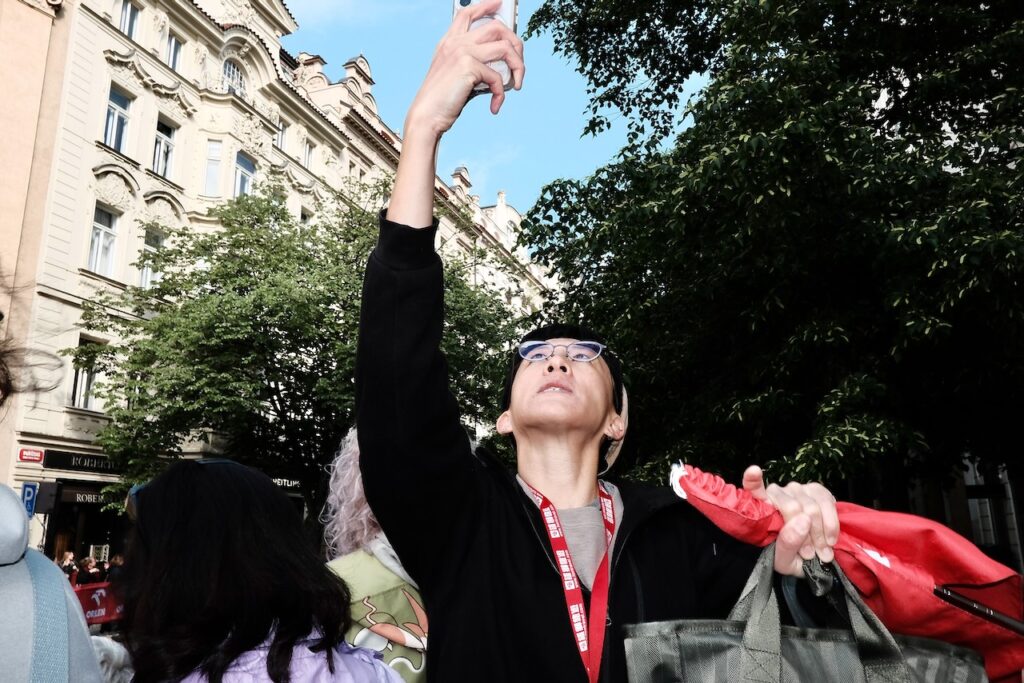
Impact on Photography
This decision by Instagram (Meta), which at the time was the biggest photo-sharing platform, to pivot toward a video “fast-food parlor” had a direct impact on photography.
Instagram now rewards the fast delivery of content, directly encouraging creators to produce content quickly. It’s even better if you deliver this content to Instagram in the form of a video (Reel). This pleases the algorithms and rewards the creator directly, giving them more exposure. More exposure equals more followers, which equals more fame.
Photography, however, requires time; everyone who has practiced it longer understands that. People who jump on this algorithmic chase are part of the distribution network of this addiction cartel. What’s worse is that these people serve as examples for younger generations of potential photographers who think this is how it’s done. “He has 250K followers, so let me just follow in his footsteps, and I will be famous too.”
Many, therefore, just copy trends that the algorithm rewards because they resonate with the user base. We have now arrived at the destination of the same generic, eye-catching, dopamine-rich content. Where is the art in that? Am I the only one who sees a problem, or perhaps I am the problem?
We live in strange times. Everyone carries a camera, yet few understand photography. They learn about photography from Instagram, which is polluted and poisoned. Photography used to be consumed in books and exhibitions—slower and with attention. I have not experienced the old times. To say, “I know what photography used to be, or should be,” would be lying.
I was 20 years old when Instagram was in its inception. It was new, it was exciting, and I guess we trusted it. Instagram motivated people to take and share pictures. What’s wrong with that? Little did we know. It sold to Facebook in 2012. The further development of this story directly reflects the values and behaviors of the Meta company.
Smell of Money
Of course, behind all of this is money, sponsorships, affiliates. It’s no accident that this system exists. It’s designed to monetize attention. Some people make a living out of this; I don’t judge anyone, we all have to eat. For this reason, both new and old photographers succumbed to this new photography culture. Kudos to all fellow photographers who didn’t. Someone has to stand on the other side, defend it, and keep the origins alive to convey a different view of photography.
But many of those photographers are not on Instagram, for very good reasons, as you can see. In other cases, they are not famous. Very few users on the platform will catch a different message about photography; they’ll see only the message that famous influencers create. I think this is a bigger problem than many realize.
The voices of those who don’t feed the algorithmic monster are muted, faint, and distant, and so we disappear in the overwhelming influx of fast-food photography. Only hope remains.
Running Away
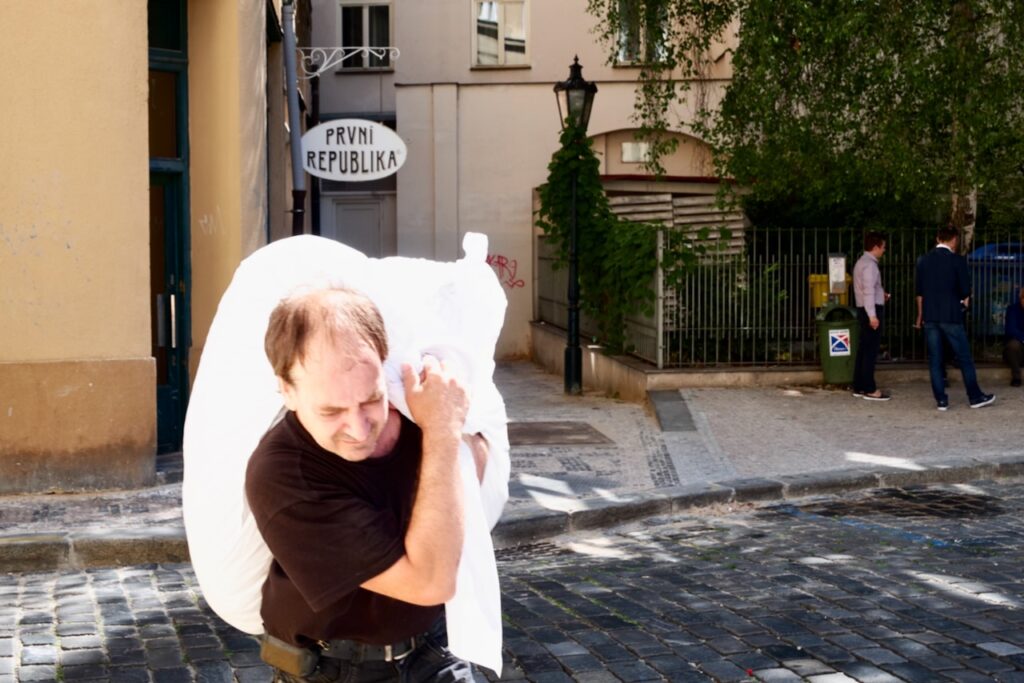
Instagram (Meta) is not the problem. People are. We are. For we feed this monster, and it is a direct reflection of ourselves and our society. There is no escape; we just need to slow down and ignore the rush for fame and recognition, for it is not important. The number of followers is not what makes us good photographers, it’s a piece of us.
While I’m still searching for an answer to what photography is, I certainly know that I don’t want to create content for the algorithmic god of Meta, so it can earn them money. I want to create for myself, for my own satisfaction. If that comes with an occasional like or two, I will not be mad. I won’t rush what cannot be rushed. Thoughtful photography takes time—and it can be created anywhere.
Leave a Reply